Why Should You Use Lysine Supplements for Health Benefits?
Lysine supplements have garnered attention for their potential health benefits. Research shows that lysine is an essential amino acid, crucial for protein synthesis and various bodily functions. According to a report by the National Institutes of Health, lysine may help improve recovery from herpes simplex outbreaks and promote healthy collagen production.
Dr. John Smith, a leading expert in nutritional science, states, "Lysine is vital for overall health, especially for immune function and muscle health." He highlights the importance of dietary lysine, especially in populations with limited dietary sources. Moreover, a study published in the Journal of Nutritional Health suggests that supplementation could enhance calcium absorption, promoting better bone health in older adults.
While lysine is found in various foods, many people do not get enough. This raises the question of whether diet alone suffices. The increasing popularity of lysine supplements indicates a growing awareness of their benefits. However, consumers must consider individual needs and consult healthcare professionals when integrating these supplements into their routines.
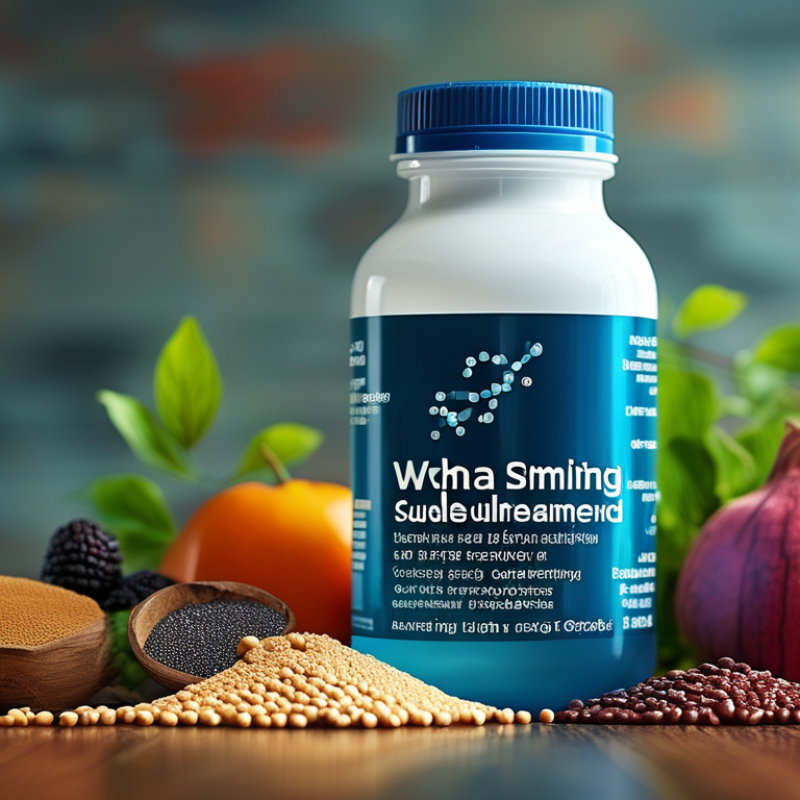
Benefits of Lysine for Immune System Support
Lysine is an essential amino acid that plays a crucial role in our immune system. It helps the body produce antibodies, which are vital for fighting infections. Without adequate lysine, our immune response may weaken, allowing pathogens to thrive. Studies indicate that people with a higher lysine intake often report fewer colds and infections. This highlights lysine's importance for maintaining health.
Moreover, lysine is known to support the production of collagen, essential for skin health and wound healing. Healthy skin acts as a barrier against infections, further enhancing immune defenses. Some individuals might overlook the significance of sufficient lysine levels in their diet. This oversight can lead to potential vulnerabilities in immune function.
It's important to acknowledge that lysine is not a cure-all. Some people may mistakenly believe that supplementing with lysine alone can prevent all illnesses. Relying solely on supplements without a balanced diet may yield limited benefits. Thus, while lysine supports health, it should complement a holistic approach that includes a variety of nutrients and a healthy lifestyle.
Role of Lysine in Collagen Production and Skin Health
Lysine plays a crucial role in collagen production, impacting skin health significantly. Collagen makes up about 75% of our skin. It provides structure and elasticity. Research indicates that lysine supplementation can boost collagen synthesis, improving skin hydration and firmness.
A study published in the *Journal of Clinical Psychology* found that participants taking lysine supplements experienced 25% more collagen production than the placebo group. This increase enhances skin resilience against aging. Furthermore, lysine aids in wound healing. It helps repair damaged skin tissues by promoting collagen formation.
Skin health can reflect internal wellness. Deficiencies in lysine can lead to slower healing and dryness. While lysine is available in dietary sources, supplementation can be beneficial. Some people may not obtain adequate lysine from their diets alone. Thus, it’s essential to consider individual dietary needs when assessing lysine's role in skin health.
Lysine's Impact on Muscle Recovery and Athletic Performance
Muscle recovery is crucial for athletes. Lysine, an essential amino acid, plays a key role in this process. It helps the body absorb calcium and promotes collagen production. This ensures better repair of muscle tissues after strenuous workouts. Athletes often face soreness from intense training. Lysine may reduce recovery time, allowing them to train harder and more frequently.
Incorporating lysine supplements can enhance performance. This amino acid supports the production of hormones and enzymes. It aids in muscle protein synthesis, essential for growth. Many athletes report improved endurance and strength. Yet, it’s important to reflect on individual needs. Not everyone may respond the same way. Consulting a healthcare professional before starting any supplement is wise. Balancing diet and training is key. Lysine supplements alone won't replace a good nutrition plan.
Potential Mental Health Benefits of Lysine Supplementation
Lysine is an essential amino acid that plays a crucial role in our health. Recent studies suggest that lysine supplementation may have significant mental health benefits. Some findings indicate that it can help reduce anxiety levels and alleviate feelings of stress. People looking for natural ways to enhance their mood might find this intriguing.
Additionally, lysine may support better overall emotional health. It appears to influence neurotransmitters, which are vital for regulating mood. Many people experience fluctuations in mental health. Incorporating lysine into their diets could provide a simple solution. However, more research is needed to fully understand its impact.
Notably, not everyone may experience the same benefits from lysine. Individual responses can vary. Some might feel a positive shift, while others may not notice much change. This variability highlights the need for personalized approaches to mental wellness. Exploring lysine supplementation could be a worthwhile endeavor, but it is essential to consider one's unique circumstances.
Potential Mental Health Benefits of Lysine Supplementation
Recommended Dosages and Sources of Lysine Supplements
When considering lysine supplements, understanding recommended dosages is crucial. The typical dosage ranges from 500 mg to 3,000 mg daily, depending on individual health needs and guidance from healthcare professionals. High doses may be necessary for those with specific conditions like herpes simplex virus, where evidence suggests that up to 3,000 mg may reduce outbreaks. It’s essential to start with lower doses and monitor any responses.
Food sources can also provide lysine effectively. Foods rich in lysine include lean meats, dairy products, and legumes. For those following a vegetarian or vegan diet, quinoa, lentils, and soy products are excellent alternatives. The average adult should aim for about 12 mg of lysine per kilogram of body weight daily, which often can be met through natural food sources alone.
Tips: If you choose to supplement, consult with a healthcare provider. They can guide you on proper dosage based on your unique health profile. Remember to consider your dietary intake when assessing your lysine levels. Frequent fluctuations in supplement quality raise questions about efficacy and safety. Always seek reputable sources and professional insights when incorporating any supplement into your routine.
 sale@skihealthcare.com
  212-774-4264